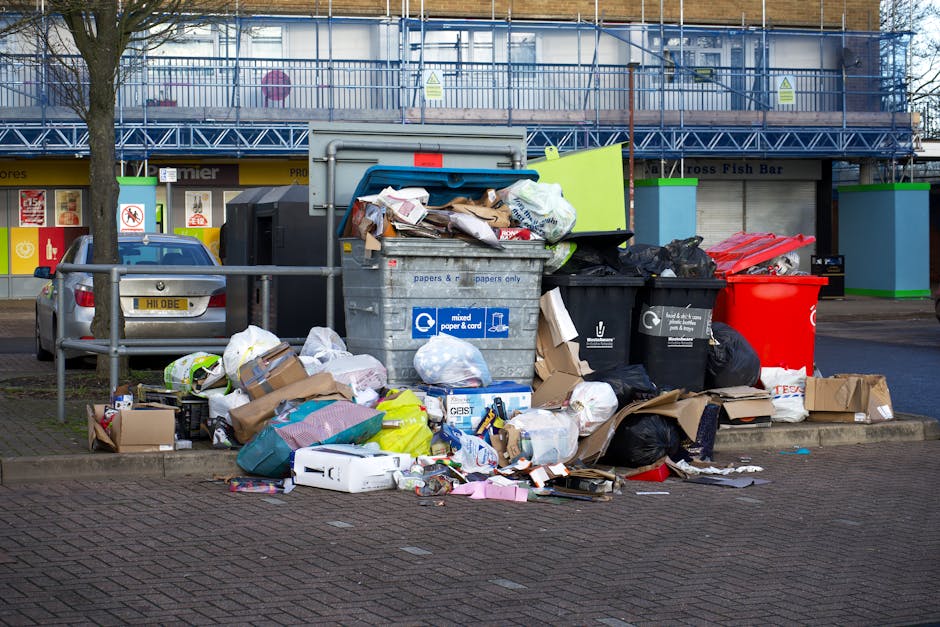
Merrow village rubbish removal guide for homeowners

If you live in Merrow Village and you are staring at a growing pile of broken furniture, garden cuttings, old boxes, or a loft full of "I'll sort that later" stuff, you are not alone. This Merrow village rubbish removal guide for homeowners is here to make the whole job feel less daunting and a lot more manageable. The truth is, most waste jobs are not complicated once you know what goes where, what needs special handling, and which option suits your home best.
Whether you are clearing a garage before a new car arrives, tidying after a renovation, or finally dealing with the clutter that has been quietly breeding in the corner of a spare room, the right approach saves time, stress, and usually a bit of money too. Let's face it, rubbish has a way of multiplying when nobody is looking.
In this guide, you will find a clear explanation of how rubbish removal works in a home setting, the options available, what to avoid, and how to make a sensible decision for your property in Merrow Village.
- Why rubbish removal matters in Merrow Village
- How the process works
- Benefits and practical advantages
- Who this guide is for
- Step-by-step guidance
- Expert tips for better results
- Common mistakes to avoid
- Tools, resources and recommendations
- Law, compliance and best practice
- Options and comparison table
- Real-world example
- Practical checklist
- Conclusion
- Frequently asked questions
Why Merrow village rubbish removal guide for homeowners Matters
Rubbish removal sounds simple until you are standing in a driveway with mixed waste, heavy items, and no clear plan. For homeowners in Merrow Village, the stakes are often bigger than they first appear. Waste left too long can attract pests, create trip hazards, block access, and make a home feel permanently unfinished. If you are preparing to sell, renovate, let, or just reclaim a usable living space, getting rid of clutter can change the whole feel of a property.
There is also a practical local angle. In a residential area, you want removal to happen neatly, quietly, and without causing inconvenience to neighbours or blocking shared access. That matters whether you are dealing with a single sofa or a full garage clear-out. A thoughtful approach helps you avoid missed collections, damage to driveways, and the dreaded last-minute panic when a pile of waste is bigger than your car boot.
Expert summary: the best rubbish removal plan is the one that matches the waste type, volume, access, time available, and how quickly you need the space back. Simple enough, but easy to get wrong if you rush it.
There is a reason many homeowners start with a clear plan instead of just "getting rid of stuff somehow." It reduces stress and helps you choose the right method from the start.
How Merrow village rubbish removal guide for homeowners Works
At a homeowner level, rubbish removal usually follows one of three routes: you take it to a suitable disposal point yourself, arrange a council collection where available, or use a professional clearance service. The right choice depends on the waste type and how much work you want to do.
In a typical home clearance job, the process is straightforward:
- Sort the waste into categories such as general rubbish, green waste, furniture, electrical items, and anything hazardous.
- Identify what can be reused, donated, recycled, or disposed of separately.
- Choose the removal method that fits the amount of waste and your schedule.
- Prepare access so items can be removed safely and quickly.
- Confirm what will be taken and whether any items need special handling.
- Complete the clearance and make sure the area is left tidy.
For many households, the real challenge is not the lifting itself. It is the decision-making. A half-used shed, for example, may contain garden tools, broken pots, scrap timber, paint tins, and a mystery box from 2019. What looks like one job can actually be five different waste streams. A good plan makes that obvious before you start carrying things around twice.
If your project involves renovation debris or heavier materials, you may also need to think about a specialised route such as builders waste clearance. That can be a much better fit than trying to treat everything as ordinary household rubbish.
Key Benefits and Practical Advantages
There are obvious benefits to clearing rubbish, but the less visible ones are often the most valuable. A clean, accessible home is easier to maintain, easier to decorate, and less stressful to live in. You notice it every day, not just on moving day.
Here are the main advantages homeowners tend to notice:
- More usable space in garages, lofts, gardens, and spare rooms.
- Better safety, with fewer trip hazards and less clutter around walkways.
- Improved presentation if you are selling, renting, or inviting guests.
- Easier cleaning and upkeep because surfaces and corners are clear.
- Less stress from having unfinished jobs hanging over you.
- Better sorting of recyclable materials, which supports lower environmental impact.
There is also a psychological benefit that people often underestimate. A cleared room can feel lighter almost immediately. The first time the eye can travel from one side of the space to the other without hitting a pile of boxes, the whole house seems to breathe a bit. Sounds dramatic, perhaps. But it is true.
For larger home clearances, you may find it helpful to pair rubbish removal with a more targeted service such as house clearance, especially if you are dealing with multiple rooms or a property that has been left full for a long time.
Who This Is For and When It Makes Sense
This guide is for homeowners who want a sensible, safe, and reasonably efficient way to remove waste without turning their weekend into a full-scale demolition operation. That covers a lot of people in real life.
It makes particular sense if you are:
- clearing out a loft, garage, shed, or outbuilding
- dealing with post-renovation clutter or old fixtures
- removing broken furniture or bulky household items
- tidying a garden after landscaping or seasonal pruning
- preparing a property for sale or tenancy
- handling a family home that has accumulated years of belongings
Sometimes the need is urgent. Maybe the old wardrobe came apart on its own and now occupies half the bedroom floor. Maybe the builder has finished early and left a pile of packaging behind. Or maybe you simply want a fresh start, which is fair enough. Homes work better when they are not fighting for space with stuff you no longer need.
If the items are mostly bulky domestic objects, a dedicated service such as furniture clearance or furniture disposal may be more efficient than general rubbish removal. The right fit depends on what you actually have, not what sounds easiest at first glance.
Step-by-Step Guidance
If you want a smooth result, the process should be deliberate rather than frantic. Here is a practical approach that works well for most homes.
1. Walk the property and take stock
Start with a slow walk through the house, garden, loft, and garage. Make a quick note of everything you want removed. Don't rely on memory. Memory is where the "that old chair can probably stay" problem begins.
2. Separate waste into sensible groups
Split items into categories such as general rubbish, wood, metal, cardboard, electricals, textiles, green waste, and hazardous items. Even a rough sort is better than piling everything together. It helps you see what can be reused or recycled.
3. Identify bulky or awkward items
Some items need special attention because they are heavy, sharp, messy, or awkward to carry through a narrow hallway. Sofas, mattresses, wardrobes, broken white goods, and garden rubble often need a proper removal plan. If the items are sitting in a hard-to-access loft, it may be worth looking at a service like loft clearance.
4. Decide whether you can manage it yourself
Ask yourself three honest questions: Do you have the vehicle, the time, and the help? If the answer is no to any of those, a professional option may be the better call. There is no medal for overdoing it on a Sunday afternoon.
5. Check whether any items need special handling
Paint, oils, chemicals, batteries, and some electrical items should not be treated like everyday rubbish. These are the sorts of things that can create compliance issues if handled badly. Keep them separate from ordinary household waste.
6. Clear access and protect the property
Before removal day, move smaller obstacles, secure pets, and protect floors if needed. If items are being carried through tight spaces, blankets or boards may help reduce marks and scuffs. Little things like this save stress later.
7. Load or hand over waste in the right order
If you are doing the job yourself, load heavy items safely first and keep loose waste contained. If you are using a clearance team, explain what must go and what must stay. A labelled corner or a quick room-by-room walk-through can prevent mistakes.
8. Make sure the area is left tidy
Once the waste is gone, do a final check. Sweep up dust, check corners, and make sure nothing important has been accidentally removed. You would be surprised how often a tiny useful item gets hidden under a bigger pile.
Expert Tips for Better Results
There are a few habits that make a big difference, and they are not complicated.
- Sort before you lift so you do not end up carrying the same item twice.
- Measure large items if access is tight, especially stairs, side passages, or loft openings.
- Keep reusable items separate from genuine rubbish. It is better for the wallet and the environment.
- Use sturdy gloves and proper footwear if you are shifting anything sharp or heavy.
- Plan for odd materials like broken tiles, old paint tins, or garden soil. These behave differently from bagged household waste.
- Choose a provider or method that handles your specific waste type rather than a generic "everything" approach.
A small but useful trick: keep one box or bag for items you are unsure about. Set it aside and decide later rather than making a rushed call in the middle of the job. That tiny pause often prevents unnecessary mistakes.
If your clear-out includes a messy garden edge, hedge cuttings, or old outdoor furniture, a focused service like garden clearance may be a cleaner option than bundling everything into general rubbish.
And if you are dealing with whole-home clutter rather than just one room, combining different services can be more sensible than trying to force one method to fit everything.
Common Mistakes to Avoid
Most waste jobs go wrong for predictable reasons. The good news is that they are easy to avoid once you know what to look for.
- Mixing different waste types together and hoping it will sort itself out later.
- Underestimating the volume, especially with loft or garage contents.
- Leaving heavy items until last, which makes the final stage unnecessarily awkward.
- Ignoring access issues such as narrow gates, low ceilings, or awkward corners.
- Forgetting about electricals and hazardous materials, which may need separate treatment.
- Choosing the cheapest option without checking what is included.
That last one catches people out more often than you might think. A low headline price can look attractive, but if it does not cover loading, transport, disposal, or the waste type you actually have, the final figure can creep up. Not ideal.
Another easy mistake is tackling everything at once when the job would be easier in stages. A garage clear-out, for example, can be done in sections: tools first, then boxes, then broken furniture, then floor sweep. It is calmer, and usually faster too.
Tools, Resources and Recommendations
You do not need specialist equipment for every rubbish removal job, but a few basic tools make a noticeable difference.
- Heavy-duty bags for loose general waste
- Gloves for grip and protection
- Mask if dust, insulation, or old loft debris is involved
- Trolley or sack barrow for bulky items where access allows
- Blankets or cardboard sheets to protect floors and door frames
- Labels or tape for marking items to keep, donate, or remove
From a service perspective, homeowners often compare general waste removal with more specific options. For example, a garage full of mixed items may be better handled through garage clearance, while a spare bedroom full of unwanted furniture may fit a broader home clearance approach.
If you want to understand how a provider handles reuse and recycling, the page on recycling and sustainability is a useful place to review the general approach before booking. That matters more than many people realise. A tidy removal is good; a thoughtful disposal process is better.
You may also want to review pricing and quotes so you know what information to prepare before requesting an estimate. Clear descriptions of waste type, volume, and access can make the quote far more accurate.
Law, Compliance, Standards, or Best Practice
Any rubbish removal guide for homeowners should take waste handling seriously. You do not need to become a legal expert, but you should understand the basics. In the UK, householders remain responsible for making sure their waste goes to a legitimate and appropriate disposal route. If a load is taken away by someone who is not properly handling it, that can become your problem to explain.
Best practice is simple: use a reputable service, be clear about what you are disposing of, and separate items that need specialist treatment. Hazardous materials, electricals, and certain construction waste should not be treated casually. When in doubt, ask before the collection happens. It saves bother later.
There is also a safety side to this. Heavy lifting, sharp edges, old glass, and dusty loft spaces all carry avoidable risks. Good handling, suitable equipment, and clear communication matter. A provider's health and safety policy and insurance and safety information can offer useful reassurance if you are comparing options.
For homeowners, the practical rule is straightforward: know what you have, know what should not be mixed in, and make sure the route you choose is suitable for that waste. That alone prevents a lot of issues.
Options, Methods, or Comparison Table
There is no single best method for every home. It depends on how much waste you have, how quickly it needs to go, and how much work you want to do yourself. Here is a simple comparison.
| Method | Best for | Pros | Limitations |
|---|---|---|---|
| DIY disposal | Small loads, a few bags, easy access | Can be low cost if you already have transport | Time-consuming, lifting required, not ideal for bulky waste |
| Council-style collection routes | Set items and occasional larger household waste | Useful for certain items and simple scheduling | May not suit mixed loads or urgent clearances |
| Professional rubbish removal | Mixed waste, bulky items, time-sensitive clear-outs | Fast, convenient, less lifting for the homeowner | Usually higher than DIY, so choose carefully |
| Specialist clearance | Furniture, gardens, lofts, garages, builders waste | Matched to the waste type, often more efficient | Only worthwhile if the waste genuinely fits that category |
For a lot of households, the sweet spot is not the cheapest method. It is the method that gets the job done without creating more work. There is a difference, and a pretty big one at that.
If your rubbish is mainly business-related rather than domestic, a different route such as business waste removal would make more sense. For homeowners, though, the main decision is usually between doing it yourself, booking a clearance, or splitting the job into smaller parts.
Case Study or Real-World Example
Here is a realistic example. A homeowner in Merrow Village wants to clear a garage that has slowly become a storage overflow zone. At the front are bikes and garden tools. In the middle are flattened boxes, an old chest of drawers, a broken chair, and a bag of cables. At the back, there are paint tins, a cracked planter, and several damp items that no one wants to touch, understandably.
At first glance, it feels like one big mess. But once sorted, the job breaks into clear parts. The cardboard and reusable bits are separated, the furniture is identified as bulky waste, the paint tins are treated as separate items, and the garden debris is grouped together. The homeowner decides to use a mix of reuse, recycling, and a clearance service for the awkward items.
The result? The garage becomes usable again in a single day rather than dragging on for weeks. Tools can be reached. The floor is visible. And the homeowner stops sidestepping that one chair every time they open the door. Small victory, but a satisfying one.
This is the key lesson: most rubbish removal jobs feel huge until they are broken into categories. Then they become manageable. That simple shift changes everything.
Practical Checklist
Use this checklist before you start. It keeps the job calm and avoids a lot of backtracking.
- Walk the property and list all items to be removed
- Separate general waste, bulky items, recyclables, and special waste
- Measure awkward items or tight access points if needed
- Decide what can be reused, donated, or kept
- Protect floors, walls, and door frames where items will pass through
- Make sure pets and children are kept clear of the work area
- Confirm what the provider will and will not take
- Check whether any items need a specialist service
- Prepare payment details and quote information in advance
- Do a final sweep once the space is cleared
If you are dealing with a mixed clear-out, this checklist can save you from the classic mistake of loading everything in a rush and realising later that the wrong items were grouped together. Happens all the time, frankly.
Conclusion
A good rubbish removal plan is less about brute force and more about judgement. For Merrow Village homeowners, the best results usually come from sorting the waste properly, choosing the right removal method, and thinking ahead about access, safety, and disposal requirements. That keeps the job cleaner, faster, and far less frustrating.
Whether you are clearing a single room or tackling a bigger domestic project, the main thing is to start with a clear picture of what you have. Once you do that, the rest becomes much simpler. And yes, there will probably be one odd item you forgot about until the very end. That seems to be part of the deal.
When you are ready to move from planning to action, choose the option that fits your home, your timing, and the type of waste you actually need removed. A calm, well-organised clear-out is always better than a rushed one.
Get a free quote today and see how much you can save.
Sometimes the best thing you can do for a home is simply clear the space and let it breathe again.
Frequently Asked Questions
What is the best way to remove rubbish from a home in Merrow Village?
The best method depends on the amount and type of waste. Small, manageable loads may suit DIY disposal, while bulky, mixed, or time-sensitive waste is often easier with a professional clearance service.
Can I mix garden waste with household rubbish?
It is usually better not to. Garden waste and household rubbish are often handled differently, and separating them can improve recycling and make the job simpler for everyone involved.
How do I know if I need a specialist clearance service?
If your waste is mainly furniture, loft contents, garage clutter, garden debris, or renovation material, a specialist service may be more efficient than general rubbish removal. Matching the service to the waste is usually the smartest move.
What should I do with old paint tins or chemicals?
Keep them separate from ordinary waste. Paints, solvents, and similar items may need special handling, so ask the provider how they deal with them before collection day.
Is rubbish removal better than doing it myself?
That depends on your time, transport, and the size of the job. DIY can work for small loads, but professional removal is often easier for bulky or awkward waste, especially if you want the space cleared quickly.
How should I prepare before a clearance team arrives?
Sort items into groups, clear access routes, protect delicate surfaces if needed, and make sure anything you want to keep is well away from the removal area. A little prep goes a long way.
What happens if I have mixed waste from a renovation?
Mixed renovation waste often needs more careful sorting than ordinary household rubbish. Some items may be recyclable, while others may need special disposal. If in doubt, mention everything when asking for a quote.
Can a rubbish removal service take furniture from upstairs rooms or lofts?
Often yes, as long as access is safe and practical. Loft and upstairs removals can take more time, so it helps to mention stairs, narrow openings, and heavy items in advance.
How do I avoid hidden costs?
Be clear about the type and volume of waste, access conditions, and whether items are heavy or awkward. Accurate information usually leads to a more reliable quote and fewer surprises.
Do I need to sort recycling before booking removal?
It is helpful, but not always essential. Even a basic sort into furniture, general waste, garden debris, and special items can make the process smoother and improve recycling outcomes.
What if I only have one or two large items?
If it is just a sofa, mattress, wardrobe, or similar bulky item, targeted furniture or single-item disposal may be more suitable than a full clearance service.
How do I choose a trustworthy provider?
Look for clear pricing, straightforward communication, sensible safety practices, and an approach that explains how waste is handled. Transparency matters more than fancy language. Every time.